
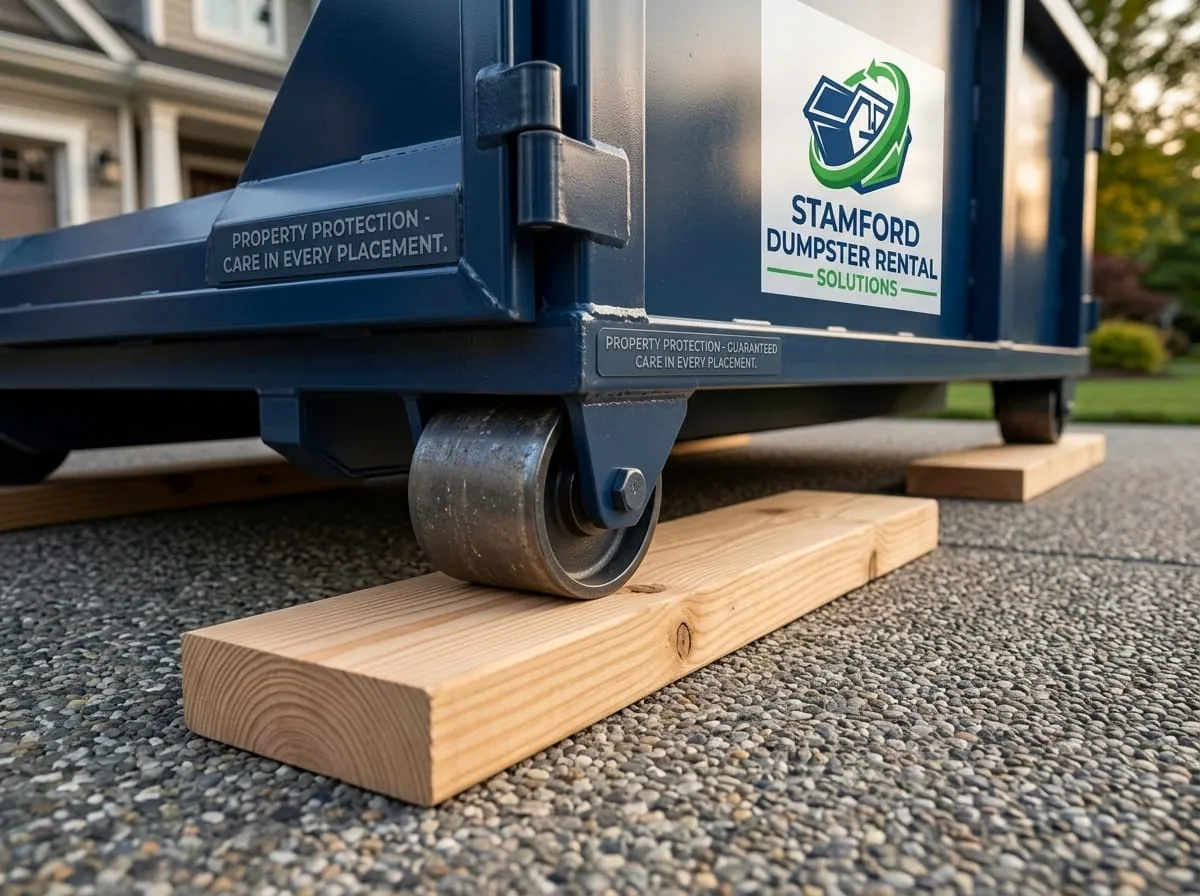
10 Yard Dumpster
The 10 yard is the container people underestimate. It fits a single-car driveway without blocking the garage, and for anything genuinely…
Learn moreFive roll-off sizes from 10 to 40 yards, with dimensions, weight allowances and the space each one needs.
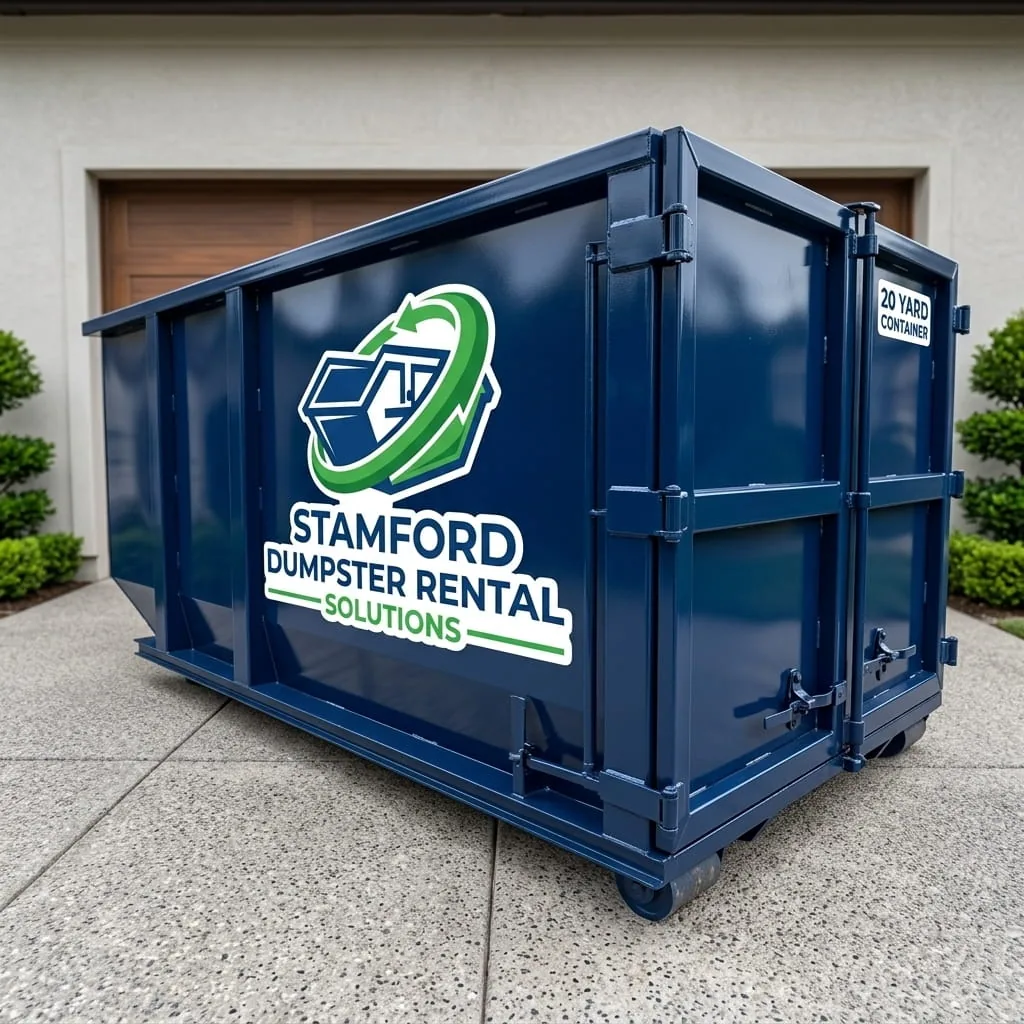
| Size | Dimensions | Weight included | Roughly | Space needed |
|---|---|---|---|---|
| 10 Yard Dumpster | 12 ft long x 8 ft wide x 3.5 ft high | 1 to 2 tons included | about 3 pickup truck loads | roughly 45 to 55 ft of straight approach |
| 15 Yard Dumpster | 14 ft long x 8 ft wide x 4.5 ft high | 2 to 3 tons included | about 4 to 5 pickup truck loads | roughly 50 to 60 ft of straight approach |
| 20 Yard Dumpster | 22 ft long x 8 ft wide x 4.5 ft high | 3 to 4 tons included | about 6 pickup truck loads | roughly 60 ft of straight approach |
| 30 Yard Dumpster | 22 ft long x 8 ft wide x 6 ft high | 4 to 5 tons included | about 9 pickup truck loads | roughly 65 to 70 ft of straight approach |
| 40 Yard Dumpster | 22 ft long x 8 ft wide x 8 ft high | 5 to 6 tons included | about 12 pickup truck loads | roughly 70 ft of straight approach, commercial access preferred |
The 10 yard is the container people underestimate. It fits a single-car driveway without blocking the garage, and for anything genuinely…
Learn more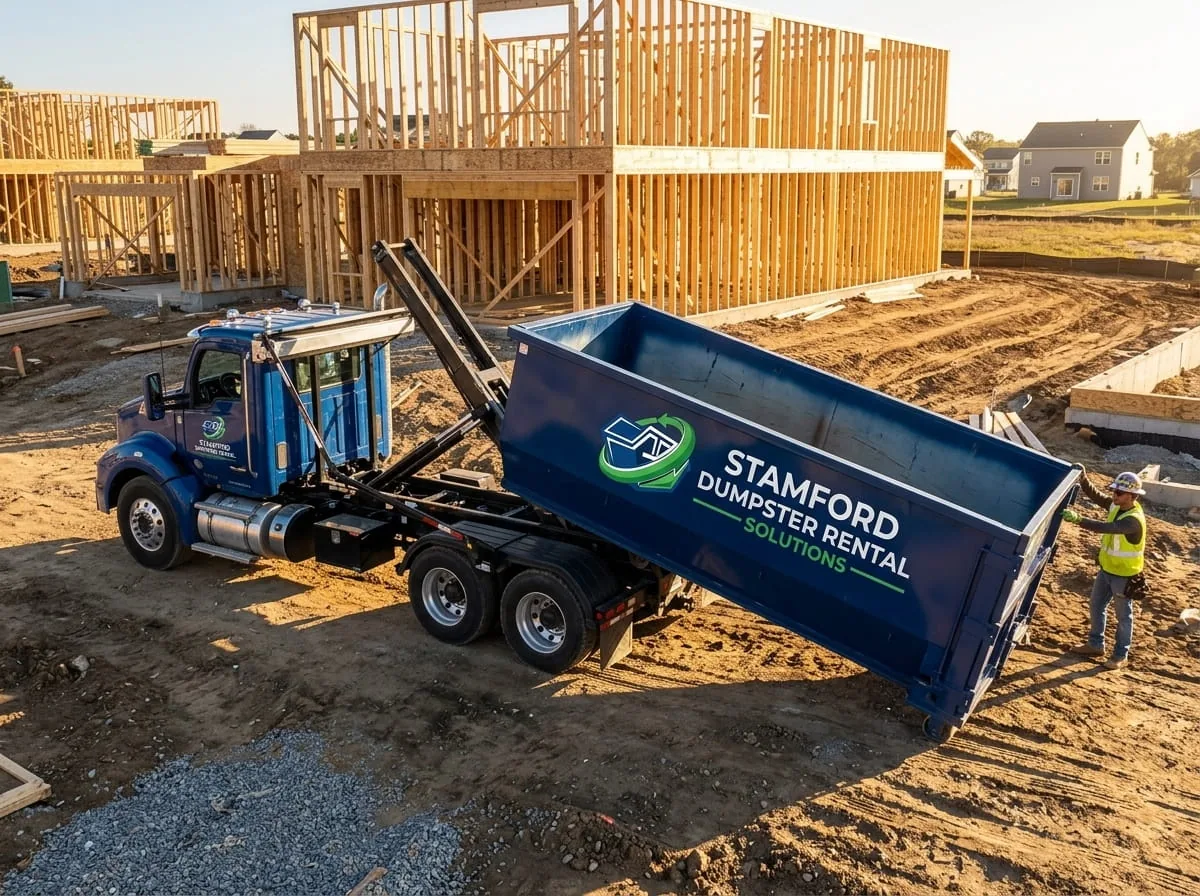
This is the container we talk more customers into than any other, and on an older Fairfield County property it is almost always the right…
Learn more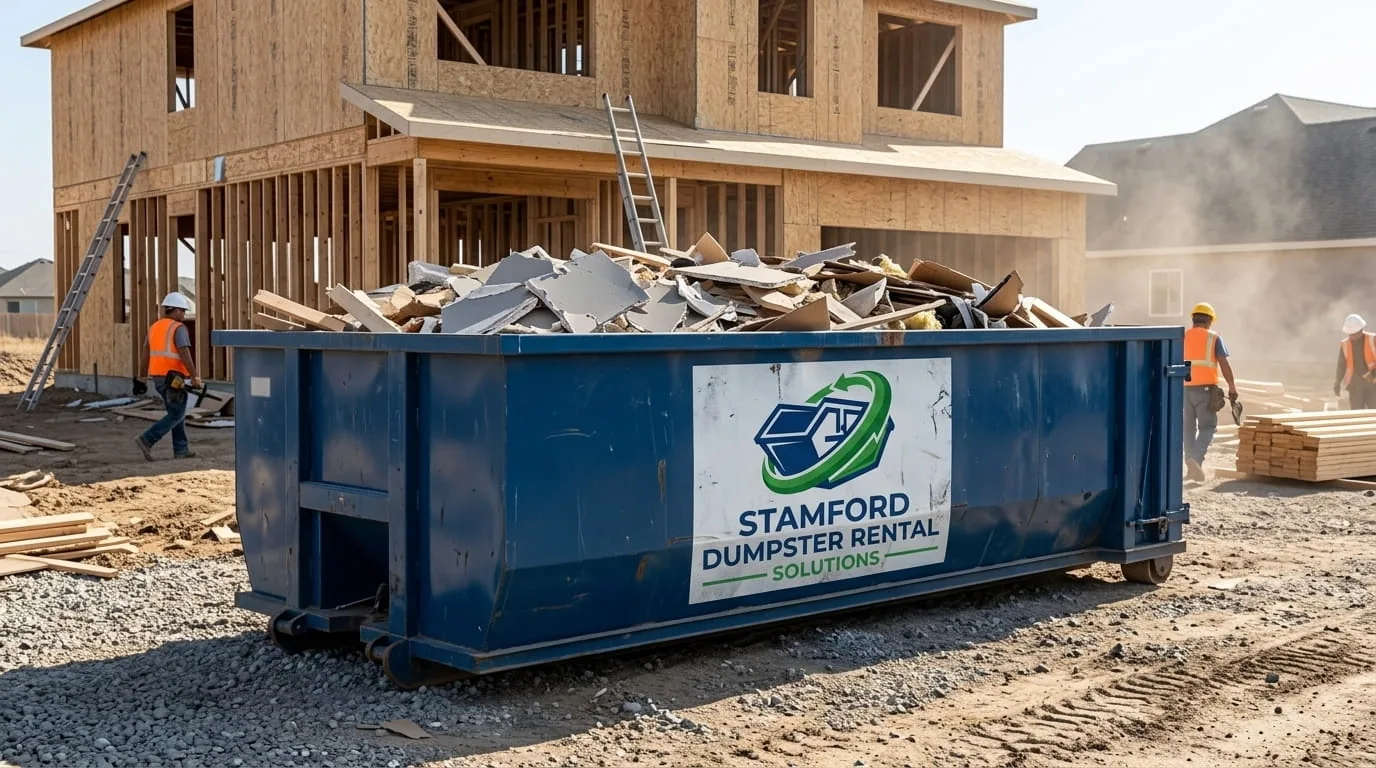
The 20 yard is the size most people ask for by name, and about half the time it is right. It handles a kitchen and bathroom together, a…
Learn more
The 30 yard is the right answer whenever the material is bulky rather than heavy. Household clearances, new build framing waste and…
Learn more
The largest container we run, and one that suits commercial and industrial sites far more often than residential ones. It is a volume…
Learn moreEvery container has two limits: the space inside it and a tonnage allowance set by what the truck can legally carry. You reach whichever comes first, and on a great many jobs in this county the weight limit arrives long before the container looks full.
That is why the answer to "what size do I need" starts with what the material is rather than how much of it there is. Plaster, tile, stone, slate and soil are dense. Furniture, framing, packaging and household contents are bulky and light. The same volume of each needs a completely different container.
Rule of thumb. If the debris is heavy, go one size down from what the volume suggests and fill it properly. If it is bulky and light, order by volume and fill to the rim. If it is concrete, stone, masonry, slate or soil, it goes in a 10 yard regardless of quantity — anything larger cannot legally be transported once loaded.
The shoreline caveat. If the property has taken water at any point, assume the material is damp and size one step down again. Saturated timber, insulation and carpet can weigh close to double the dry equivalent, and disposal is charged by the ton.
Describe the job on the phone and we will size it, including when that means a smaller container.
(475) 264-4825